
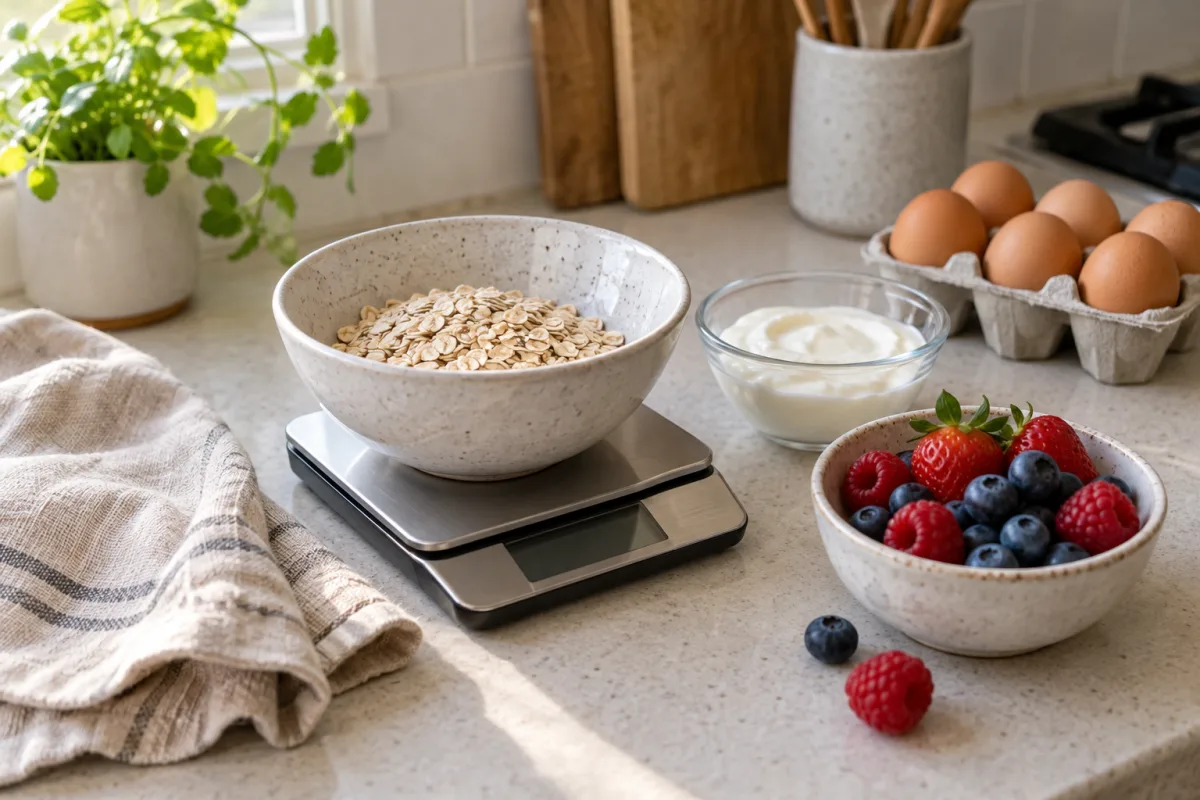
Know what is available
A food record may include calories and the main macros but omit vitamins, minerals or fibre. Adding several such foods together does not create a complete micronutrient record.
A displayed total may therefore represent only the entries with known values. It should not be treated as proof that you consumed nothing from the foods whose data is missing.
Compare carefully
Two versions of the same food can appear very different if one record has more fields completed. Check the data source and serving basis before assuming the difference is nutritional.
Do not fill unknown fields with guessed values to make the summary look complete. Keep uncertainty visible and use the product’s actual label where it provides information.
Use detail for specific questions
Detailed nutrition can help you notice that a familiar product is high in salt or contributes useful fibre. It is less useful when an incomplete day is reduced to a single definitive health score.
Keep food choices broader than a score
Gorivo’s nutrition insights explain the recorded food in relation to your targets. A rating is not a diagnosis, an allergen check or a substitute for individual dietary advice. When the underlying information is incomplete, the conclusion needs to be modest too.
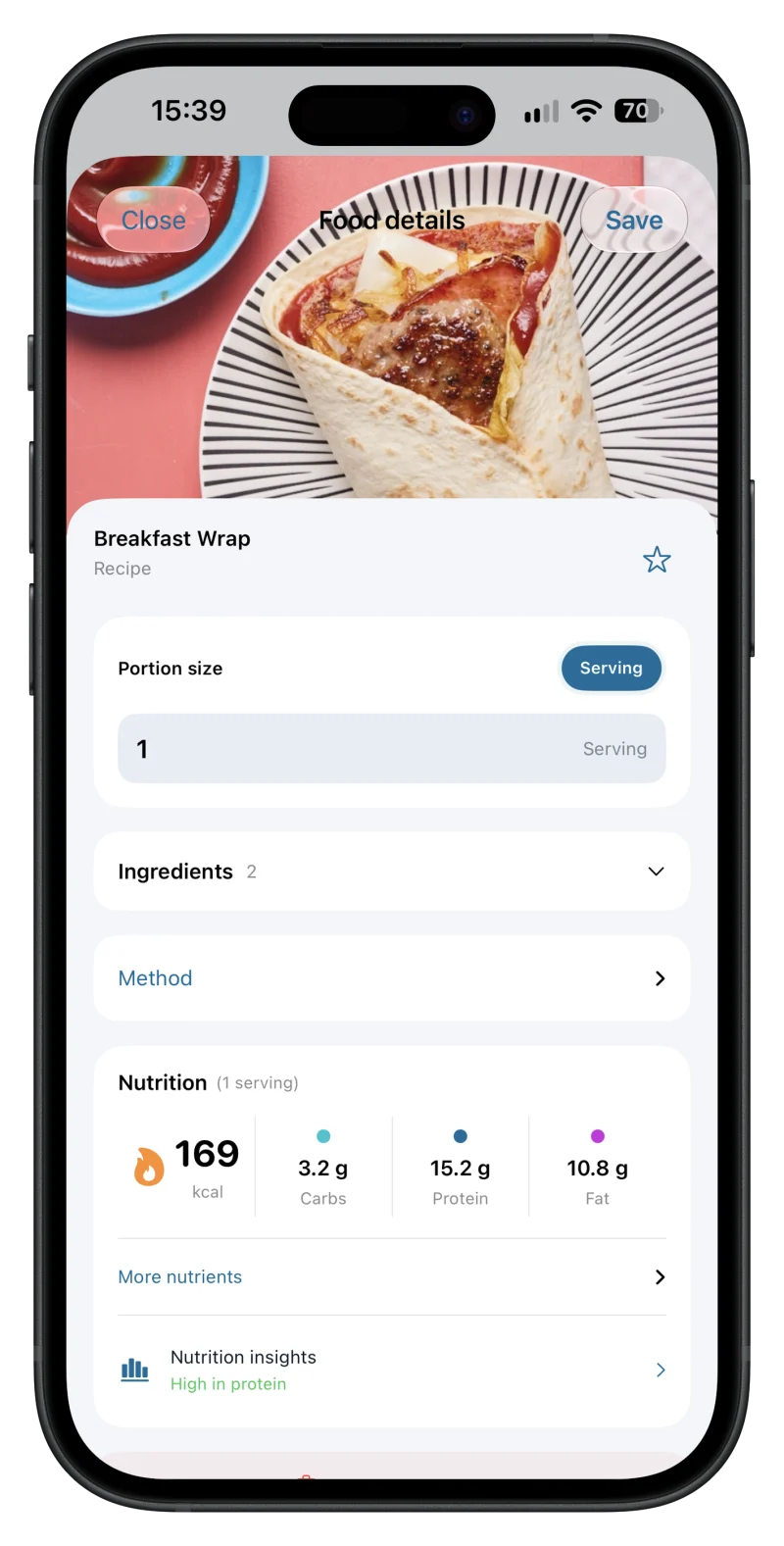
Check the source entry when a nutrient appears to be missing.
View full-size screenshot ↗Gorivo editorial · General guidance for adults. Adapt training and food choices to your circumstances.